Conversion Architecture
THE SHORTEST PATH
TO "SCHEDULED."
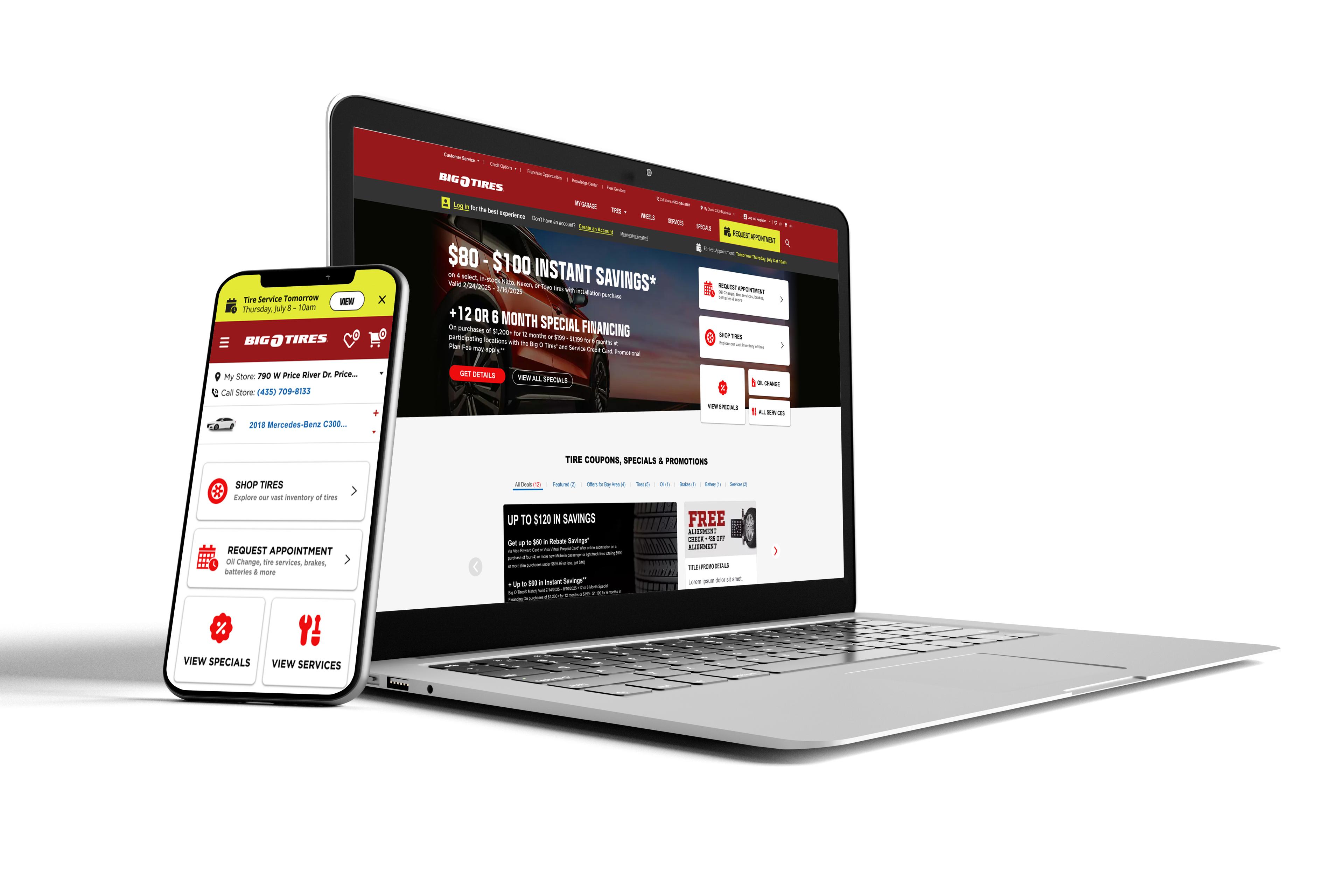
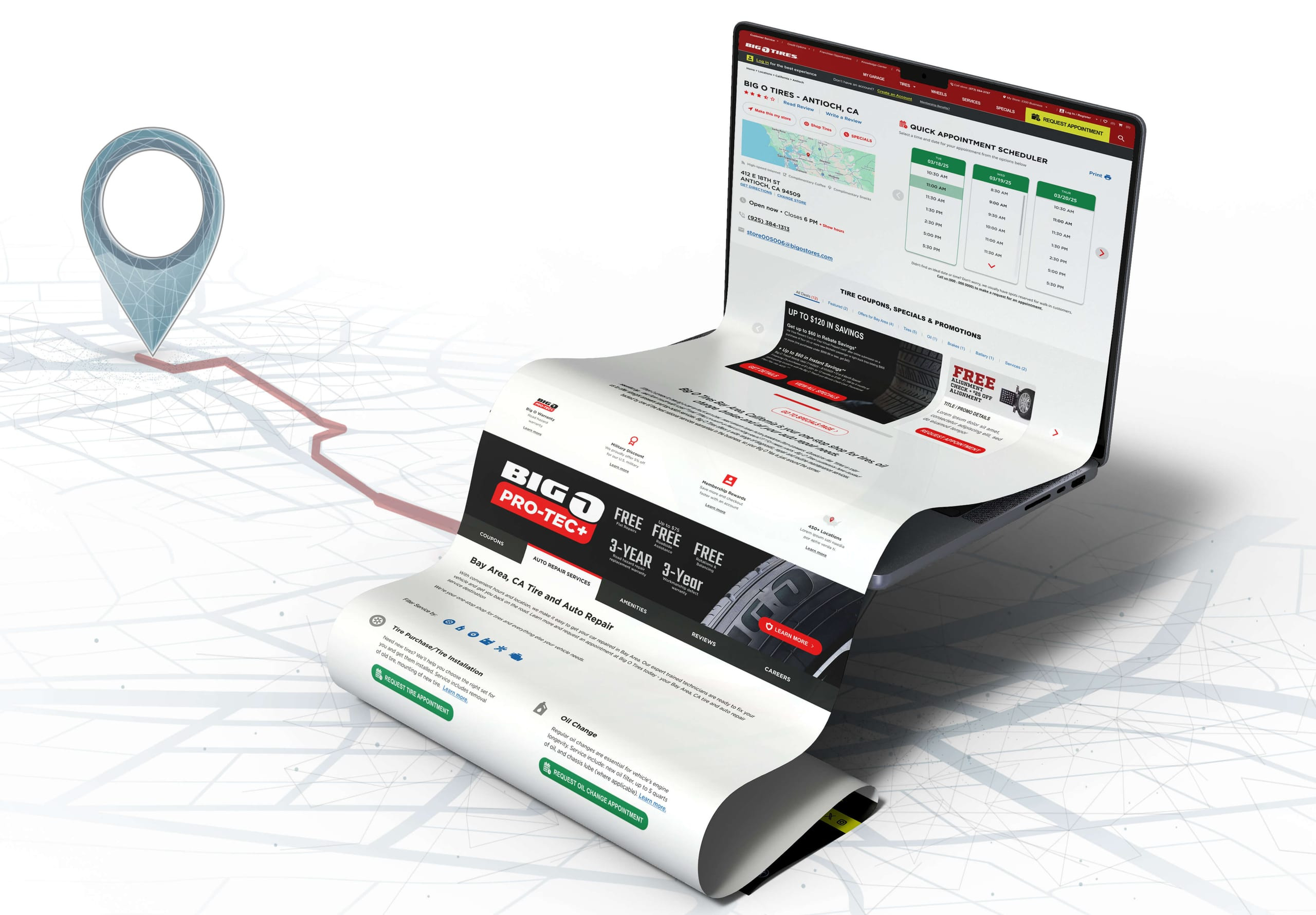
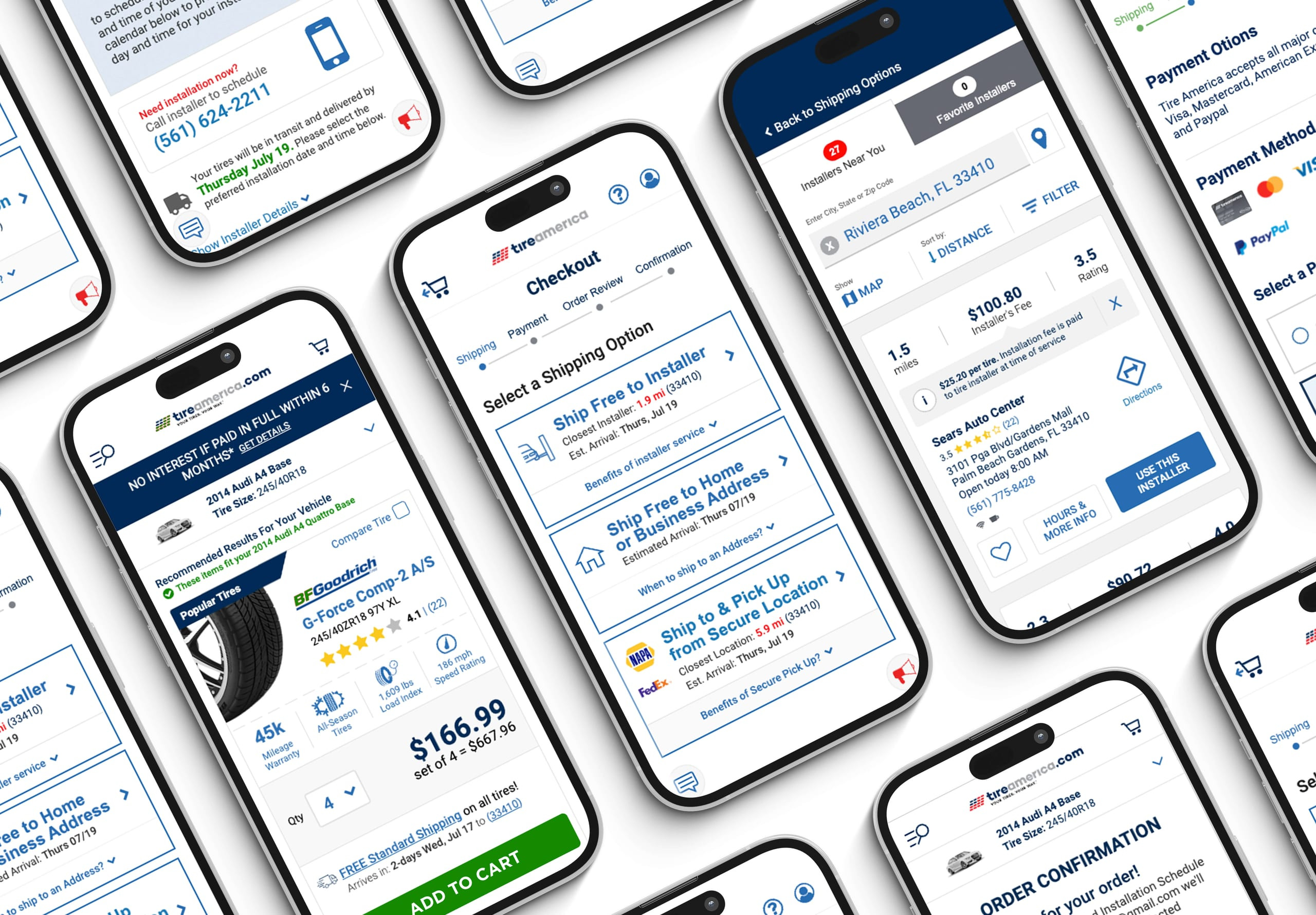
To reduce cognitive load across 450+ franchise locations, I redesigned the appointment scheduling flow around high-intent paths. This approach prioritized users ready to convert by simplifying entry points, reducing reliance on legacy dropdown-based vehicle selection, and streamlining mobile-first interactions.
CONVERSION RATE
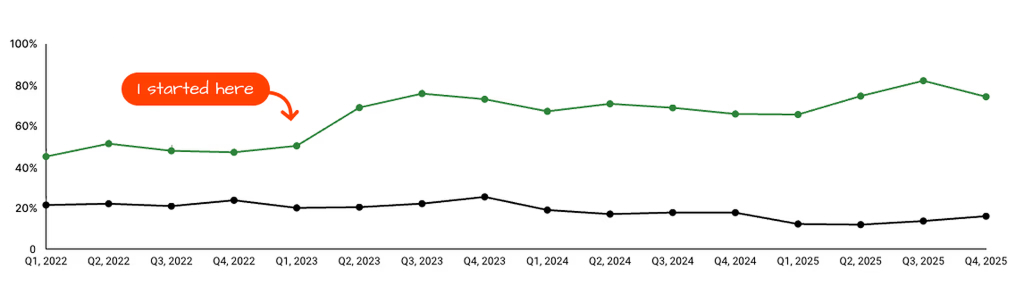
13%+
Sustained Rolling MoM Average (Up 10.2pts vs 2.8% baseline)
ANNUAL REVENUE LIFT
$25M+
Per Digital Analytics Model
PATH PREFERENCE
6X
Express vs Legacy
Role & Approach
Staff Product Designer (UI/UX) & Systems Architect (IC)
Strategic Lead
TBC Corp (Sumitomo & Michelin JV)
Equivalency Scale
Halfords & Kwik Fit combined x10
Methodology
Logic-First Conversion Design
Objective
The Shortest Path to "Scheduled"
Strategy & Leadership
"Sustaining a 13%+ rolling MoM average during a 3-to-1 developer contraction required a Priority-First architectural pivot. I intentionally prioritized systemic stability and reusable UI over complex redesigns _ despite them being in the backlog _ to sustain conversion momentum and maintain a "Ready-to-Ship" reserve throughout a two-year delivery pause."
Negotiating the balance between resource constraints and brand governance.
The Influence
Attributed $25M+ Combined ROI
Analytics-validated influence across Retail & Franchise.
Daily Alliances
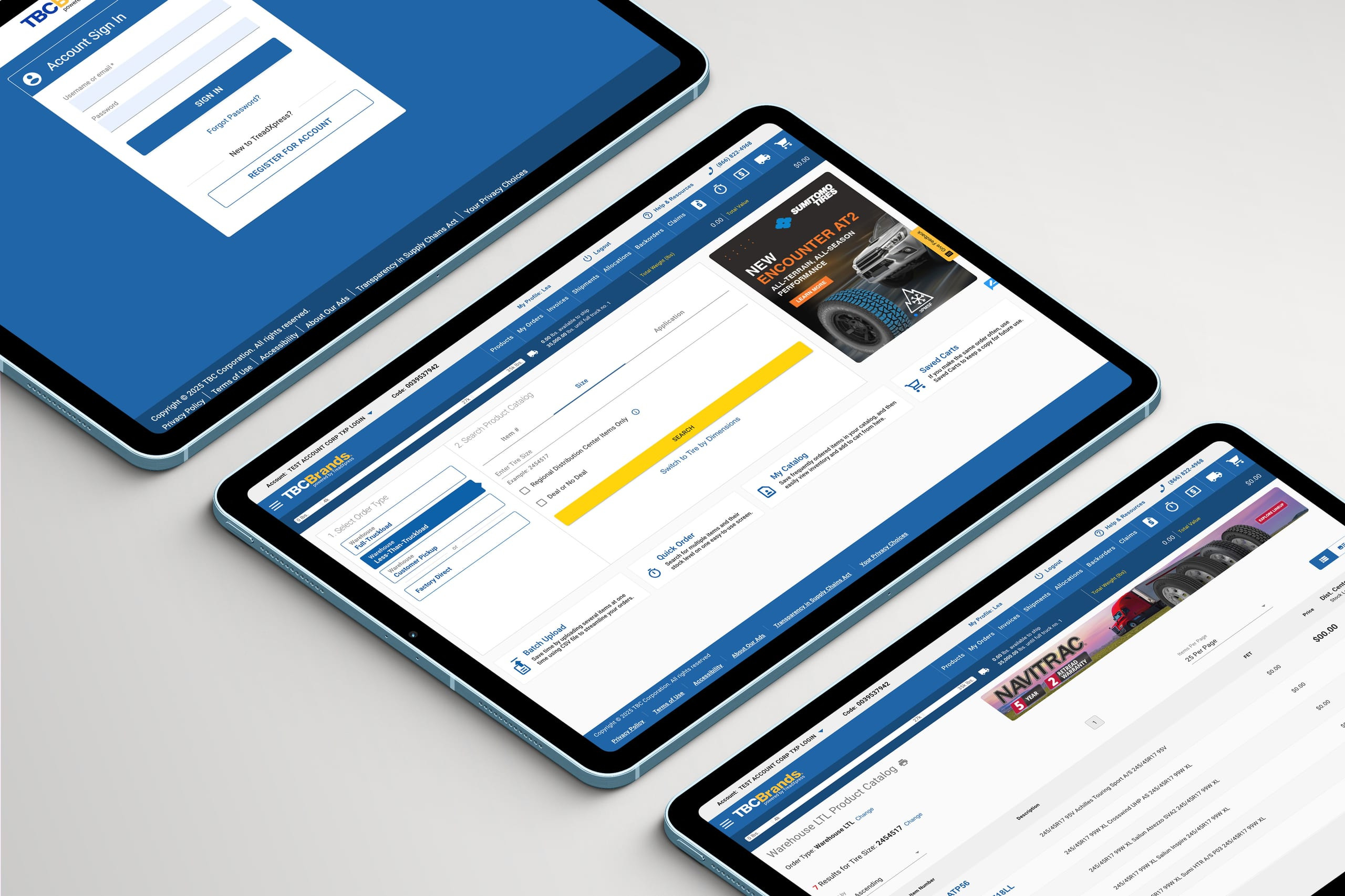
Ownership:Retail Tire Kingdom, NTB, Merchants | Franchise: Big O Tires Ecommerce + CMS ecosystem | Wholesale: TreadXpress, NTW, Brand websites | TBC Corporate Site
THE OPPORTUNITY
SHOPPING TO BOOKING.
The Friction
The Decision Fatigue Wall: Legacy funnel complexity caused high-intent users to stall at the finish line _ overwhelmed by pricing comparisons, they dropped off from sheer decision fatigue.
The Lever
Speed Over Selection: Data revealed how our retail funnel methodology was outperforming the franchise by 13.09 percentage points (40.26% vs 27.17%).
Functional Handoff
A $15M+ Revenue Pivot for Franchise Site: Redesigning funnel drove a +10.2 percentage point absolute conversion lift (scaling to a 13%+ sustained rolling MoM average) and an estimated $15M+ in ROI.
Evaluation & Approach
EVALUATION & APPROACH.
I prioritized users ready to convert by simplifying entry points, reducing reliance on legacy dropdown-based vehicle selection, and streamlining mobile-first interactions. This approach neutralized cognitive load across 450+ franchise locations.
Friction neutralization
Complexity reduction
High-intent routing
Action standardization
Strategic Context
Baseline Foundation: Scaled conversions from a 2.8% baseline to a 13%+ sustained rolling MoM average on retail sites: NTB, Tire Kingdom, Merchants.
Cross-Brand Mobility: Applied sector-wide retail learnings to the Big O Tires franchise model, identifying shared friction points across 450+ points of sale.
Playbook & Validation
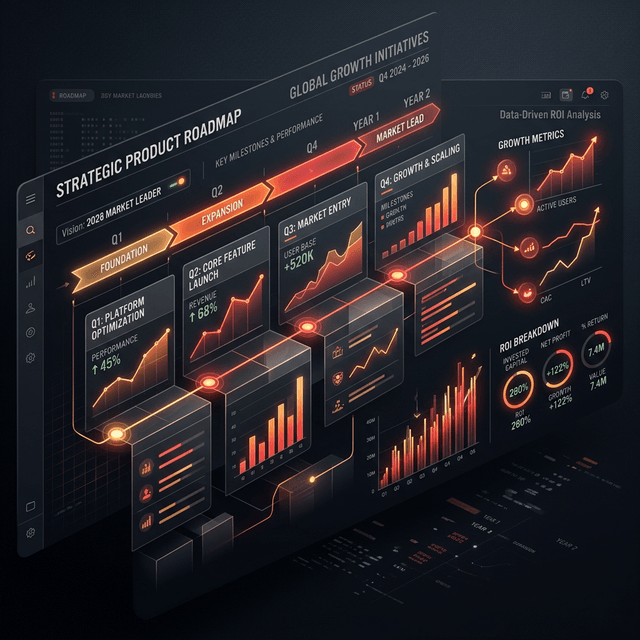
We established a $25M+ conservative baseline, validated by a symmetric $12.5M+ attribution across Retail and Franchise. This baseline is continuously compounding through high-velocity tactical wins—such as the 7.75% Store Page lift (Jan 2026)—while the Strategic Roadmap provides the blueprint for an additional $10M – $20M+ in unrealized growth.
Validation Method
OPTIMIZELY EXPERIMENTS • CONTINUOUS ROI COMPOUNDING • $25M+ PROVEN BASELINE
CONVERSION ARCHITECTURE
Access the tactical deep-dives into Guided YMME Steppers, Intent-Driven PLP grids, and Behavioral Signaling research (+13.6% lift models).
Password included with select applications. Don't have it?
"Lea works exceptionally well across Product, QA, and Engineering... he stays engaged through the full software development life cycle."

Engineering Alignment
Chad Taylor
Sr. Director - Digital Engineering // TBC
"Lea is dedicated and tireless... When presented with a challenge, he brings multiple thoughtful solutions forward."

Product Stewardship
Martin Mattox
Digital Product Owner // TBC
Continue Exploring
More Projects.

CONVERSION FUNNELS — PROTECTED CONTENT
Password-protected to safeguard specific conversion methodologies, funnel architectures, and ROI validation data.
Request Access
Project Overview: Bot Conversion Funnels
Strategic lead for a franchise-wide conversion optimization project, scaling performance from a 2.8% baseline to a 13%+ sustained rolling MoM average through intention-driven UX architecture and Express Booking paths.
Section 01: The Opportunity
- The Friction: Identified Decision Fatigue Wall where legacy funnel complexity caused high-intent user drop-off.
- The Lever: Leveraged retail funnel methodology to outperform franchise baselines by 13.09 percentage points (40.26% vs 27.17%).
- Functional Handoff: Redesign drove a +10.2 percentage point absolute conversion lift (scaling to a 13%+ sustained rolling MoM average) and an estimated $15M+ annual ROI pivot.
Section 02: Evaluation & Approach
- Methodology: Friction neutralization, Complexity reduction, and Action standardization.
- Strategic Context: Applied sector-wide retail learnings to a 450+ location franchise model.
- Validation: Established $25M+ conservative baseline through Optimizely experiments and continuous ROI compounding, supported by a Strategic Roadmap for unrealized growth.
Staff-Level Competencies Index
- Intention-Driven Routing
- Conversion Rate Optimization (CRO)
- Institutional Stewardship
- Retail Technology Synthesis
- ROI Modeling & Attribution
- Franchise E-commerce Architecture